
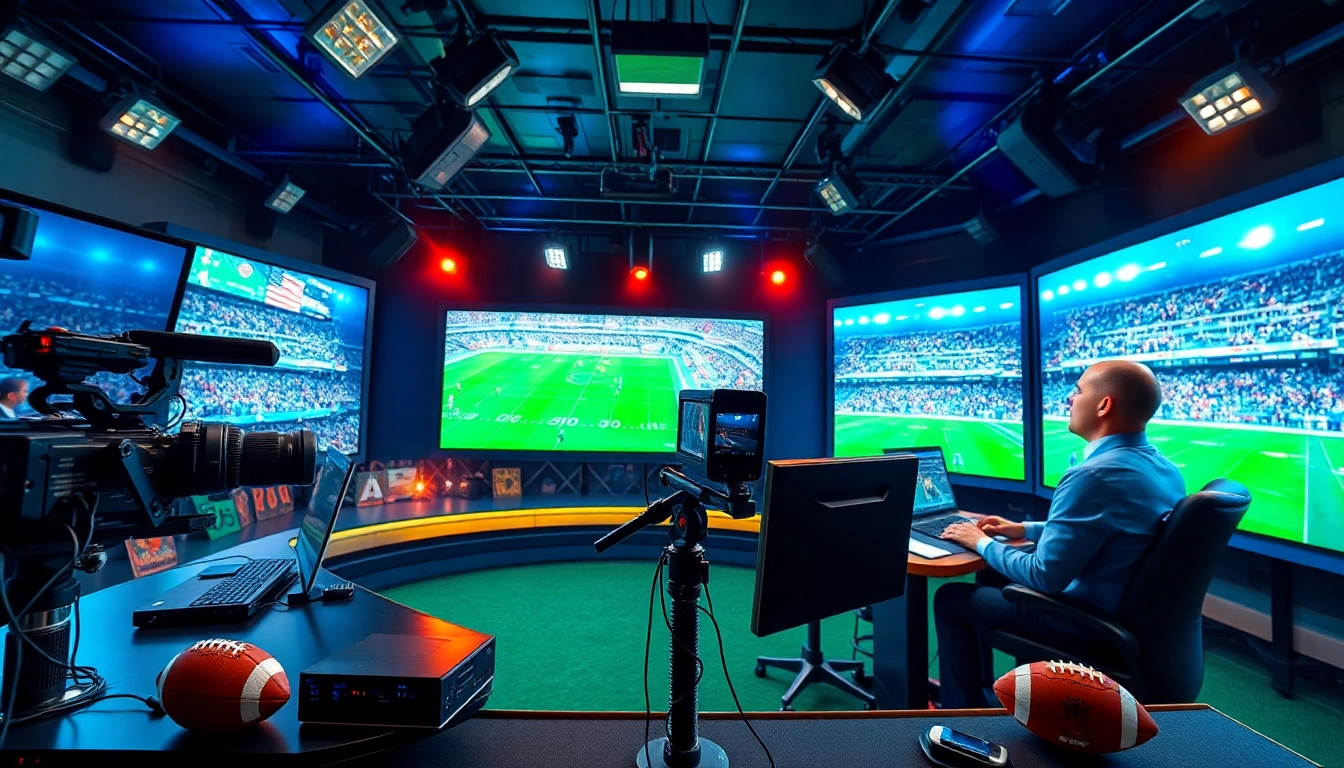
Understanding Sports Broadcasting
Sports broadcasting has revolutionized the way we experience our favorite games and athletes, transcending geographical barriers. At its core, the term refers to the dissemination of live or recorded sports events to audiences via various media platforms. An essential aspect of sports broadcasting is its ability to engage fans and enhance their experience, making it a dynamic field within the broader media landscape. The evolution of this practice has gone hand in hand with technological advancements, creating a multifaceted experience that shapes how we consume sports today. Whether it's through television, radio, or online streaming, understanding the fundamentals of Sports Broadcasting is crucial for anyone interested in the industry.
History and Evolution of Sports Broadcasting
Sports broadcasting traces its origins back to the early 20th century, initially characterized by radio broadcasts of significant sports events. The first official sports broadcast occurred in 1921 with a boxing match between Jack Dempsey and Georges Carpentier, which captivated audiences and heralded a new era. As technology progressed, television emerged as the dominant medium in the 1950s and 1960s, revolutionizing viewer engagement. Landmark events, such as the 1967 NFL Championship Game and the 1984 Summer Olympics, showcased the power of televised sports and cemented their place in popular culture.
The introduction of cable television and satellite broadcasting further diversified viewing options, leading to the creation of dedicated sports channels. This progression continued with the rise of the internet, allowing fans to access live games, highlights, and commentary online. The digital era has led to a surge in mobile streaming and social media, making it easier than ever for fans to connect with their favorite sports.
The Importance of Sports Broadcasting Today
Today, sports broadcasting serves as a critical lifeline for sports organizations, generating significant revenue through advertising, sponsorships, and viewer subscriptions. It plays a pivotal role in building fan communities and driving engagement. Moreover, the increased visibility of women's sports and less mainstream events can often be attributed to the efforts of sports broadcasters who have made these platforms accessible to wider audiences.
Key Components of Effective Sports Broadcasting
Effective sports broadcasting relies on several key components, including commentary quality, production value, and audience engagement strategies. Commentators must possess an extensive knowledge of the sport, along with the ability to connect emotionally with viewers. High production quality, characterized by multi-camera setups, crisp audio, and expert editing, enhances the viewing experience. Finally, successful engagement strategies involve using social media platforms to interact with fans in real-time and adapt broadcasts based on audience preferences.
Technical Aspects of Sports Broadcasting
Equipment Used in Sports Broadcasting
The technical backbone of sports broadcasting is its equipment. Cameras, microphones, broadcasting trucks, and graphics systems are essential for delivering high-quality content. Advanced cameras with high-definition capabilities capture every detail, while drones are increasingly employed to provide unique aerial views of events.
Audio equipment also plays a crucial role; high-quality microphones and mixing consoles ensure that commentary is heard clearly, while sound effects and background noise create an immersive atmosphere. To keep up with modern demands, broadcasters often invest in mobile applications and tools that facilitate live streaming from various locations.
Broadcasting Software and Tools
Professional-level broadcasting software equips broadcasters with the necessary tools to manage live feeds and recorded content effectively. Software solutions allow for real-time editing, graphics insertion, and live-streaming capabilities. Tools like OBS Studio and Wirecast enable broadcasters to create professional-grade output from less sophisticated setups. Understanding these tools is essential for anyone looking to break into sports broadcasting.
Live vs. Pre-Recorded Sports Broadcasting
Live sports broadcasting presents its unique challenges as it requires quick decision-making and seamless execution to capture real-time action. The excitement of live broadcasts often enhances viewer engagement, drawing fans into the unfolding drama of the games. On the other hand, pre-recorded broadcasts allow for thorough editing, which can enhance storytelling and viewer experience through highlights and commentary edits. Both formats have their place and can even be effectively used in conjunction with one another to engage audiences more deeply.
Content Creation in Sports Broadcasting
Developing Engaging Storylines
Storytelling is at the heart of captivating sports broadcasting. Effective broadcasters identify narratives that resonate with audiences, whether it's a player’s comeback, a rival match-up, or a significant milestone in a team's history. Developing storylines involves thorough research, interviews, and insights into player backgrounds, which help in creating a narrative that keeps viewers invested throughout the event.
Interviews and Fan Engagement
Interviews with players, coaches, and experts provide valuable insights that enrich the viewing experience. These elements foster a personal connection between fans and the athletes they admire. Additionally, broadcasters can engage fans on social media by hosting Q&A sessions, soliciting viewer opinions during broadcasts, or featuring user-generated content in their segments, effectively creating a community around the event.
Using Social Media to Enhance Sports Broadcasting
Social media platforms have transformed how sports content is distributed and consumed. Broadcasters can share live updates, behind-the-scenes content, and highlight reels, building excitement and driving conversation among fans. Engaging with followers through live tweets or polls during games also fosters a dynamic viewing environment that traditional broadcasting formats lack. Using analytics tools to track audience engagement on these platforms can help refine strategies for improved interaction.
Legal and Ethical Considerations
Copyright Issues in Sports Broadcasting
Legalities surrounding copyright in sports broadcasting are complex. Broadcasters must secure licenses from leagues, teams, and content creators to ensure compliance and avoid penalties. Understanding the nuances of copyright laws, including fair use and licensing agreements, is fundamental for anyone navigating the broadcasting landscape.
Maintaining Professional Ethics
Sports broadcasters hold the responsibility of maintaining a high ethical standard. This includes fairness in reporting, transparency in sponsorships, and accuracy in information dissemination. Credibility is essential in building trust with audiences, which is why ethical considerations cannot be overlooked in the pursuit of viewer ratings.
Understanding Broadcasting Rights and Licenses
Broadcasting rights dictate how and where sports events can be shown. Each league or event may have its specific contract stipulating who can broadcast their games and under what conditions. Understanding these contracts is crucial for broadcasters to avoid legal ramifications and ensure compliance with standards set by governing bodies.
Future Trends in Sports Broadcasting
Technological Advancements on the Horizon
The sports broadcasting landscape is on the brink of further transformation thanks to emerging technologies. The rise of 5G technology promises to eliminate latency during live streams, enabling higher definition image delivery. Furthermore, the increasing use of artificial intelligence and machine learning in analyzing game data is expected to provide deeper insights into performance and strategy, enhancing viewer engagement.
The Role of Virtual and Augmented Reality
Virtual reality (VR) and augmented reality (AR) have significant potential to reshape how audiences experience sports. By providing immersive experiences that place viewers within the action, broadcasters can enhance their storytelling capabilities and deepen fan engagement. Applications of these technologies range from virtual stadium tours to interactive player statistics during live broadcasts, creating a unique and engaging viewing experience.
Shifts in Audience Engagement and Consumption
As audience consumption patterns change, sports broadcasters must adapt to meet the evolving demands of fans. The rise of streaming services indicates a shift towards on-demand content, and accordingly, broadcasters are experimenting with different delivery methods to accommodate these preferences. Engaging younger audiences will require a blend of traditional broadcasting techniques with innovative approaches like gamification and community-building initiatives, ensuring fans remain connected beyond the event's duration.
Frequently Asked Questions
What is sports broadcasting?
Sports broadcasting refers to the transmission of live or recorded sports events to audiences through various media platforms such as television, radio, and online streaming.
How has technology impacted sports broadcasting?
Technology has transformed sports broadcasting by enabling high-definition production, live streaming, instant replays, and enhanced audience interaction through social media platforms.
What are the different types of sports broadcasting?
Sports broadcasting can be categorized into live broadcasts, pre-recorded shows, highlights, and digital content on social media and streaming platforms.
What legal considerations should broadcasters be aware of?
Broadcasters must adhere to copyright laws, secure broadcasting rights, and maintain ethical standards to ensure compliance and avoid legal issues.
What trends are shaping the future of sports broadcasting?
Trends include advancements in 5G technology, the adoption of virtual and augmented reality, and shifts toward on-demand content and innovative audience engagement strategies.